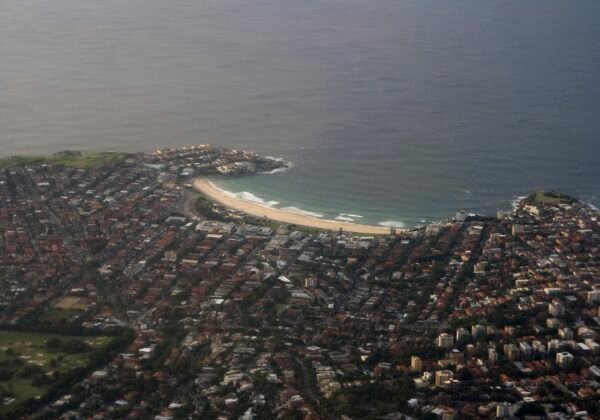
Australia is huge — nearly the size of Europe — so the best time to visit Australia depends on where you are going. As a rule: visit the south (Sydney, Melbourne, Tasmania) in spring and autumn, the tropical north (Cairns, Darwin, the Kimberley) in the dry season from May to October, and the Red Centre in the cooler months. Here is how to time it right.
Australia’s seasons are reversed
Remember that Australia’s seasons are opposite to the Northern Hemisphere: summer is December to February, autumn March to May, winter June to August, and spring September to November. Christmas is a beach-and-barbecue affair.
Best time to visit southern Australia (Sydney, Melbourne, Tasmania)

For the southern cities and coast, spring (September–November) and autumn (March–May) are ideal — mild, settled weather and fewer crowds. Summer is warm and great for beaches but busy and pricey; winter is cool but cheap. If Sydney is your focus, see our full guide to the best time to visit Sydney.
Best time to visit tropical northern Australia (Cairns, Darwin)
The tropical north has two seasons, not four. The dry season (May–October) is the best time to visit — warm, sunny days, low humidity and clear water on the Great Barrier Reef. Avoid the wet season (November–April), when humidity, heavy rain, cyclones and stingers make travel harder.
Best time to visit the Red Centre (Uluru)

The desert heart of Australia is brutally hot in summer. Visit between May and September, when days are warm and comfortable for walking and nights are cool. Sunrise and sunset over Uluru are unmissable year-round, but far more pleasant in the cooler months.
Month-by-month quick guide
- Dec–Feb (summer): Best for southern beaches and cities; avoid the tropical north and the desert.
- Mar–May (autumn): Excellent for the south and the Red Centre; the north is drying out.
- Jun–Aug (winter): Prime time for the tropical north, the reef and the outback; cool in the south.
- Sep–Nov (spring): Superb for the south and Red Centre; good shoulder season everywhere.
When to visit for whales, wildflowers and events
Whale-watching runs May to November along the east and west coasts. Western Australia’s wildflowers peak from July to October. Australia’s biggest events — from Vivid Sydney to regional festivals — cluster in the cooler months. Browse our Events in NSW to plan around what is on.
The bottom line
If you want one answer: the shoulder seasons of autumn (March–May) and spring (September–November) give the best weather across most of the country at once, which is why they are the smartest times to visit Australia.
Frequently Asked Questions
What is the best month to visit Australia?
April, May, September and October are the best all-round months — mild in the south, dry in the tropical north, and comfortable in the Red Centre.
What is the cheapest time to visit Australia?
The southern winter (June to August) is generally cheapest for the major cities, outside of school holidays and major events.
When should you avoid northern Australia?
Avoid the wet season from November to April, when humidity, heavy rain, cyclones and marine stingers make the tropical north difficult to enjoy.
Are Australia’s seasons opposite to Europe and the US?
Yes. Australian summer is December to February and winter is June to August, so Christmas falls in the middle of the beach season.