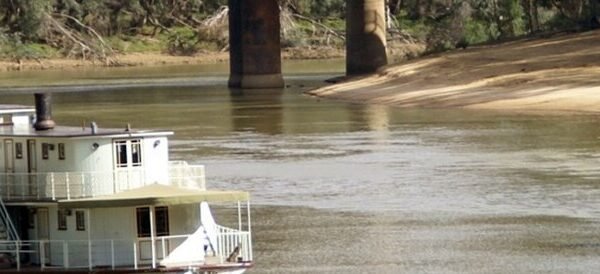
Quick answer: Start with Camp Cove for a ferry-and-walk outing, Milk Beach for a harbour-view stop reached with a bus connection and a walk, or Gunnamatta Park for a train-based waterside picnic. These are different kinds of days. Choose the final walking section as carefully as the public transport, and check the live Trip Planner before leaving.
A small beach can feel like an escape without being remote. The trick is to pick one that fits your time and the way you travel. “Hidden” does not mean empty, and being near a ferry or bus route does not guarantee a flat walk to the sand. This guide focuses on three manageable planning options rather than a long list of beaches scattered across the city.
Camp Cove: combine a ferry with a village walk
The Harbour Trust describes Camp Cove as a short walk from Watsons Bay ferry wharf. That makes Watsons Bay a useful starting point for a beach-and-café outing. Check the actual ferry service, then follow public streets and signed paths to the cove.
Leave time for the walk back rather than aiming to finish on the beach at departure time. Pack shoes for the street section, water and a sun layer. If your day includes a meal, our harbour-view café guide can help you compare nearby areas; verify the venue’s current opening hours before building it into your return plan.
Milk Beach: the harbour-view option
Milk Beach sits along the Hermitage Foreshore Track at Vaucluse. Destination NSW lists a bus-and-walk approach, but the foreshore section is part of the outing, not an incidental step from a stop. Use the current Trip Planner for a suitable bus and consult the national park’s track information for access conditions.
Travel light enough to carry your belongings on the final walk. A cool bag, shade setup and full picnic basket are less appealing if everyone has underestimated the path. Choose a shorter picnic stop if access conditions, heat or your group’s mobility make a longer foreshore visit impractical.
Gunnamatta Park: start with the train
Destination NSW places Gunnamatta Park a short walk from Cronulla station. It is a useful alternative when you want a waterside outing connected to rail rather than a chain of bus transfers. Plan around the park and bay setting; do not assume that every part of the shoreline has the same facilities or swimming arrangements.
Keep the day simple: train, walk, picnic, then return through town. If conditions are unsuitable for water activities, the journey can still work as a lunch-and-stroll outing. Confirm facilities through current council information if toilets, changing space or step-free access are essential to your visit.
A transport checklist that makes the day easier
Save the outward and return journeys, including the last connection you are prepared to use. Check service alerts and the walking directions from the actual stop, not just the suburb name. If travelling with children or a pram, verify stairs, gradients and ferry access before choosing the route.
Bring sun protection, drinking water, a rubbish bag and a layer for the return journey. Leave room in your day for changing weather or a missed connection. One beach with an enjoyable journey is a better choice than trying to reach three unrelated shores in an afternoon.
Beach access is separate from swimming conditions
Check current water-quality advice, warning signs, patrol information and the conditions in front of you. A sheltered-looking harbour beach can still have hazards. Treat this as a guide to reaching places, rather than a claim that the water is suitable on the day.
Explore our Secret Beaches collection and save a suitable stop in My Trip. For source details, see Destination NSW’s beach guide, the Harbour Trust’s Camp Cove information and NSW National Parks.
Researched 17 October 2026. Transport, facilities and water conditions can change; verify the details for your travel date.