 By Pavan
 Australia does not have one climate — it has about six, stacked from the tropics to the Southern Ocean. The honest answer to “when should I go?” depends entirely on which Australia you want: the white-sand south coast, the reef and rainforest north, or the red desert middle. This guide breaks it down by season and by month, with the windows locals actually plan around.
The one-paragraph answer
For Sydney, the NSW coast and the southern cities, aim for autumn (March–May) or spring (September–November) — warm, settled weather without summer’s crowds or prices. For Cairns, Darwin and anywhere tropical, go in the dry season (May–October). For Uluru and the outback, the cooler months of April–September are the comfortable ones. If your trip covers both north and south, September–October is the sweet spot where every region works at once.
Summer (December – February)
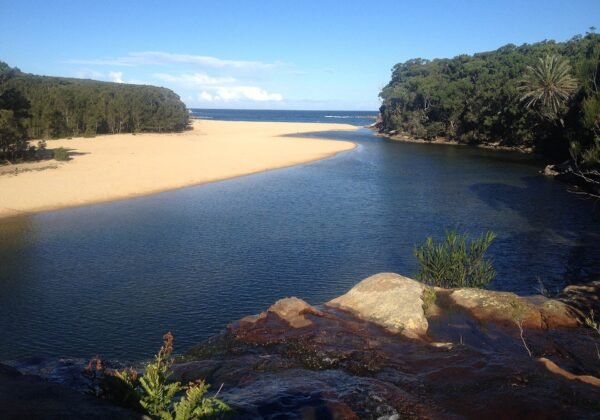
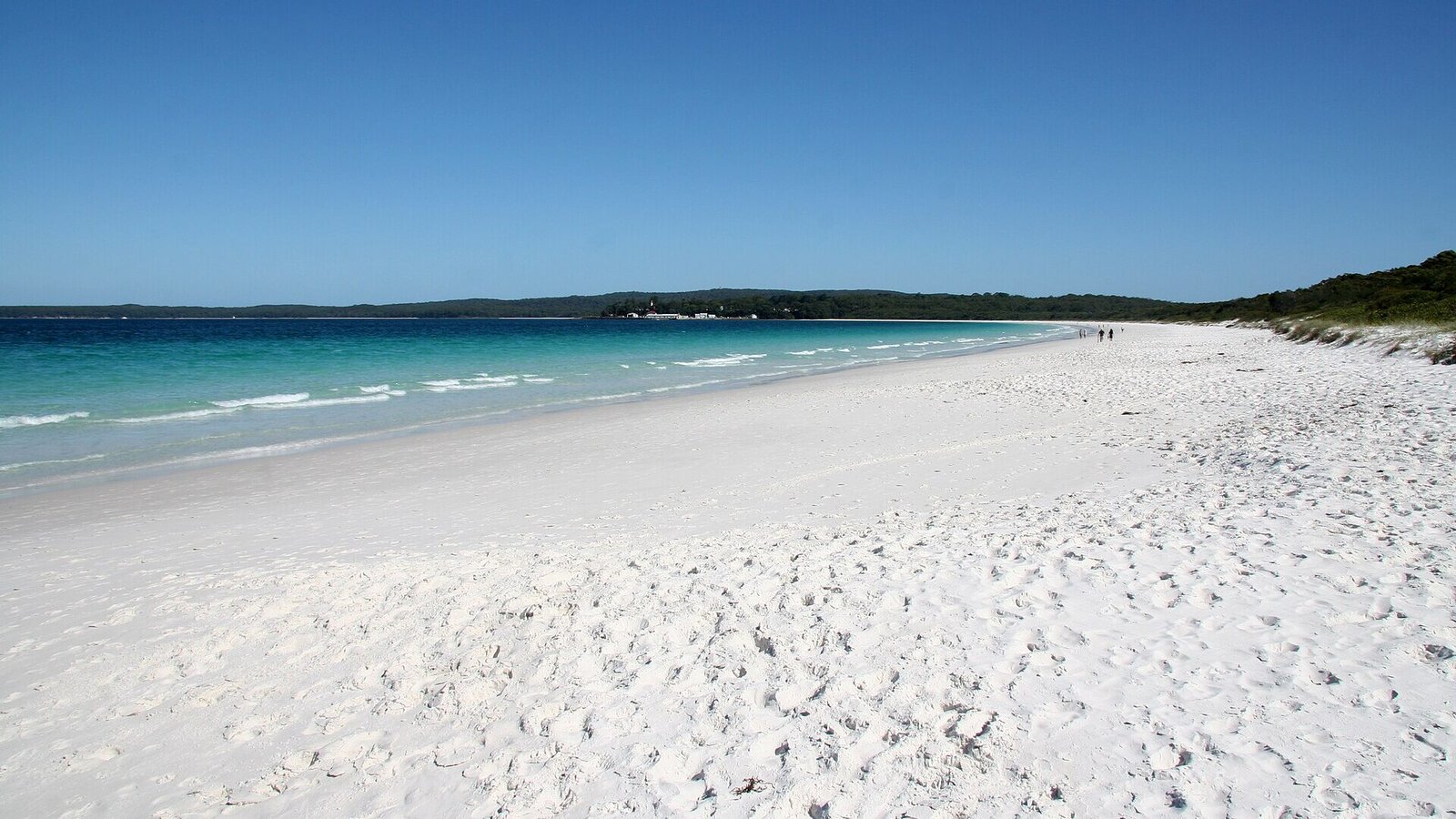
Peak beach season in the south: this is when Jervis Bay, Yamba and the secret beaches of NSW earn their postcards. Expect school-holiday crowds through January, booked-out coastal towns and the year’s highest prices. It is the wrong season for the tropical north — Darwin and Cairns are in the wet — and outback temperatures are dangerous for hiking. Waterfalls, on the other hand, love summer storms: see our guide to the best waterfalls in NSW after a February downpour.
Autumn (March – May)
The connoisseur’s season in the south. The ocean stays warm into April, the crowds go back to work, and inland towns like Orange and Bowral put on Australia’s best cool-climate autumn colour. May opens the whale season and the tropical north’s dry season — by late autumn, everywhere in the country is in play.
Winter (June – August)
Underrated almost everywhere. The tropical north is at its glorious best — dry, sunny, low humidity. Whales stream up the east coast past Cape Byron and into Port Stephens. Sydney winters are mild (17–19°C days) and perfect for coastal walks, while the Blue Mountains turn crisp, misty and occasionally snowy — fireplace weather two hours from the harbour. The only real losers are the southern beaches.
Spring (September – November)
The all-rounder. Wildflowers, warming ocean, whales still passing, the north still dry until November, and the outback comfortable. September–October is our pick for a first visit that tries to see everything. It is also festival season in the country towns — Bowral’s Tulip Time and Mudgee’s wine festival among them.
Month by month at a glance
- January: Peak beach south; wet north; school holidays everywhere.
- February: Hot and quieter; best ocean temperatures; biggest waterfalls.
- March: Autumn begins; warm sea, thinning crowds — superb.
- April: Mild everywhere; autumn colour inland; north drying out.
- May: Whales arrive; dry season opens; outback comfortable.
- June–July: Prime tropical north; misty mountains; whale peak begins.
- August: Dry-season perfection north; wattle blooming; late-season whales everywhere.
- September: Spring opens; arguably the best all-Australia month.
- October: Warm south, still-dry north; second-best all-rounder.
- November: Jacarandas and warm seas south; build-up humidity north.
- December: Southern summer begins; book everything early.
Planning tools
Once you have your season, start matching places to it: browse our weekend escapes, road trips and the interactive map of every place in the directory. Seasonal notes above are general patterns, not forecasts — check conditions closer to travel. Correct at the time of writing (July 2026).