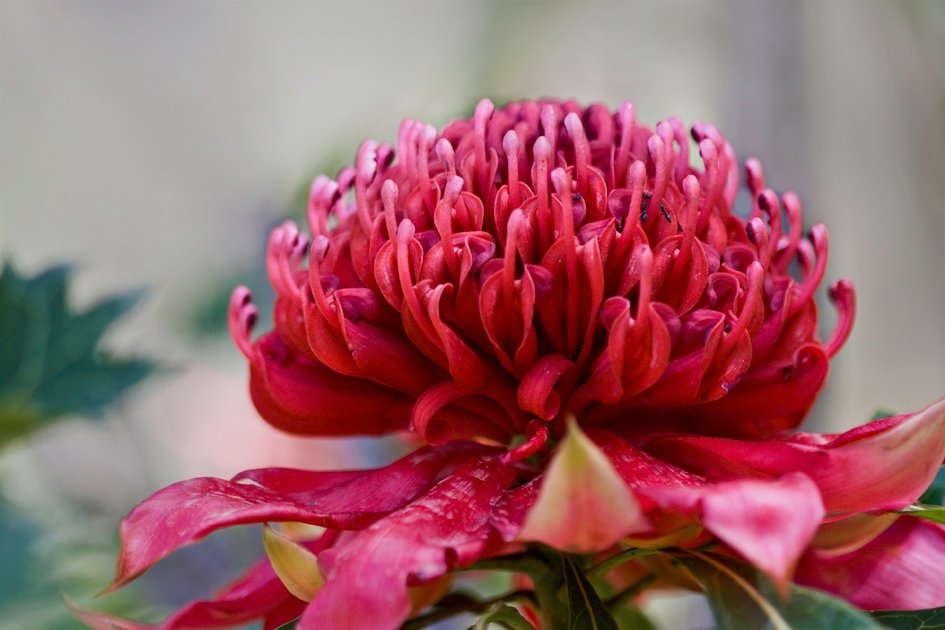
Spring (August to October) turns NSW’s national parks and nature reserves into some of the best wildflower viewing in the country — from the crimson waratah, the state’s floral emblem, to flannel flowers, boronia and the volcanic landscapes of the Warrumbungles. Here’s where to actually see them, and when.
Ku-ring-gai Chase National Park
On Sydney’s Upper North Shore, Ku-ring-gai Chase is one of the easiest wildflower spots to reach from the CBD. Walking tracks around West Head and the Resolute Track pass through heath country where waratahs, flannel flowers, boronia and banksias flower from late August through October. The Resolute Track and Church Point areas are the most reliable for a mixed display without a long walk.
Muogamarra Nature Reserve
Muogamarra, near Cowan on the Hawkesbury, is a genuine local secret — it’s only open to the public for about six weeks each spring (typically mid-August to late September) to protect its wildflowers and Aboriginal heritage sites the rest of the year. That short window means less-trampled bushland and a strong wildflower display, but it’s worth checking the NPWS site for exact open dates and whether bookings are required before planning a visit.
Royal National Park
South of Sydney, Royal National Park’s heathland — particularly around the Garie Head and Curracurrang areas — flowers heavily through spring with waratahs, boronia, flannel flowers and a wide range of smaller heath species. It’s also one of the free whale-watching spots covered elsewhere on the site, so it’s easy to combine both on one visit.
Blue Mountains National Park
The Blue Mountains’ sandstone plateaus support their own distinct wildflower mix — banksias, waratahs and mountain devil (Lambertia formosa) among them. Tracks around Blackheath, Mount Wilson and the Grose Valley lookouts are reliable spots, and the cooler mountain climate means the display often runs a few weeks later than closer to the coast.
Warrumbungle National Park
Further inland, near Coonabarabran, Warrumbungle National Park is a different kind of wildflower country — volcanic peaks and plains rather than coastal heath, with its own dry-country wildflower species blooming through spring against the backdrop of landmarks like the Breadknife and Belougery Spire. It’s a full day’s drive from Sydney, so it suits a longer trip rather than a weekend dash.
Tips for Wildflower Season
- Peak bloom is roughly late August to October, but timing shifts year to year with rainfall — check recent trip reports before a long drive
- Stick to formed tracks; wildflower heath is fragile and slow to recover from trampling
- Early morning light is best for photography, and reduces the midday heat on exposed heathland walks
- Muogamarra’s opening dates change annually — always confirm with NPWS before planning around it
For more free, real places to explore this spring, see our NSW National Parks and Hidden Places guides.
Frequently Asked Questions
When is wildflower season in NSW?
Roughly late August through October, though exact timing shifts each year depending on rainfall.
Is Muogamarra Nature Reserve open all year?
No — it’s closed most of the year and opens for only about six weeks each spring. Check the NPWS website for current dates before visiting.
Where can I see waratahs near Sydney?
Ku-ring-gai Chase National Park and Royal National Park are two of the most accessible spots from the city, both flowering in spring.